
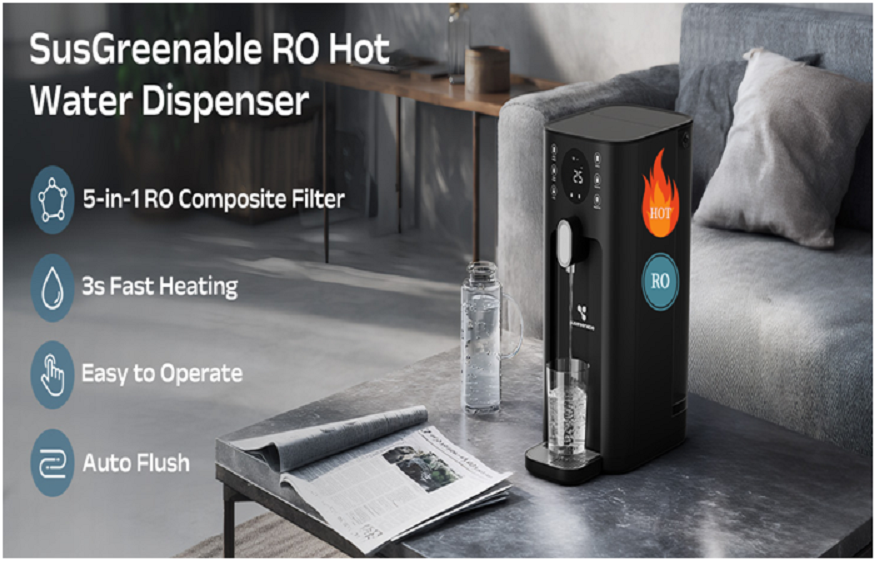
Water is essential for life, yet access to clean and safe drinking water remains a challenge in many parts of the world. One of the most effective and widely used technologies for water purification today is reverse osmosis. From households to industrial plants, this method has transformed the way we ensure water safety and quality. In this article, we will explore what reverse osmosis is, how it works, its benefits, limitations, and its growing importance in modern life.
What Is Reverse Osmosis?
Reverse osmosis (RO) is a water purification process that removes contaminants, impurities, and dissolved solids from water by forcing it through a semi-permeable membrane. Unlike natural osmosis, where water moves from a low concentration of solutes to a higher concentration, reverse osmosis uses pressure to push water in the opposite direction.
The semi-permeable membrane allows only water molecules to pass through while blocking larger molecules such as salts, bacteria, viruses, and other contaminants. The result is clean, purified water on one side and waste (or brine) on the other.
How Reverse Osmosis Works
The reverse osmosis process typically involves several stages to ensure effective filtration. First, water passes through a pre-filter, which removes larger particles like sediment, dirt, and rust. This step helps protect the membrane from damage and extends its lifespan.
Next, the water enters a carbon filter that removes chlorine, odors, and organic compounds. Chlorine, in particular, can damage the RO membrane, so this stage is crucial.
Read More: Joe Cianciotto Discusses What Makes Co-Living Appealing to Today’s Young People
After pre-filtration, water is forced through the RO membrane under high pressure. This is the core of the system, where dissolved salts, heavy metals, and microorganisms are separated from the water.
Finally, the purified water may pass through a post-filter or polishing filter to improve taste and remove any remaining odors before it reaches the tap.
Key Components of a Reverse Osmosis System
A standard reverse osmosis system consists of several essential components that work together:
- Pre-filters: Remove sediment and chlorine to protect the membrane
- RO membrane: The heart of the system that filters out contaminants
- Storage tank: Stores purified water until needed
- Post-filter: Enhances taste and final quality
- Drain line: Carries away rejected impurities
Each component plays a vital role in ensuring the system functions efficiently and delivers high-quality water.
Benefits of Reverse Osmosis
Reverse osmosis offers numerous advantages, making it a popular choice for water purification.
1. High-Quality Water
RO systems can remove up to 99% of contaminants, including lead, arsenic, nitrates, and fluoride. This ensures that the water is safe for drinking and cooking.
2. Improved Taste and Odor
By eliminating chlorine and other chemicals, reverse osmosis significantly improves the taste and smell of water.
3. Cost-Effective in the Long Run
Although the initial setup cost may be higher, RO systems reduce the need for bottled water, leading to long-term savings.
4. Environmentally Friendly
Using reverse osmosis reduces reliance on plastic bottles, helping to minimize environmental pollution.
5. Versatility
RO systems are used in homes, industries, and even desalination plants to convert seawater into potable water.
Applications of Reverse Osmosis
Reverse osmosis is used in a wide range of applications beyond household drinking water systems.
Household Use
In homes, RO systems are commonly installed under the sink to provide clean drinking water. They are especially useful in areas with hard water or high levels of contamination.
Industrial Use
Industries use reverse osmosis for processes that require pure water, such as pharmaceuticals, food and beverage production, and electronics manufacturing.
Read More: Is Metal Roofing Worth It for Residential Homes?
Desalination
One of the most significant uses of reverse osmosis is in desalination plants, where seawater is converted into freshwater for drinking and irrigation.
Medical Applications
Hospitals and laboratories use RO systems to produce sterile water for medical procedures and equipment.
Limitations of Reverse Osmosis
Despite its many benefits, reverse osmosis also has some limitations that should be considered.
Water Wastage
RO systems produce wastewater during the filtration process. For every gallon of purified water, several gallons may be wasted, although newer systems are becoming more efficient.
Removal of Essential Minerals
While RO removes harmful contaminants, it also removes beneficial minerals like calcium and magnesium. Some systems include remineralization filters to address this issue.
Maintenance Requirements
Regular maintenance is necessary to ensure optimal performance. Filters and membranes need to be replaced periodically.
Initial Cost
The upfront cost of installing a reverse osmosis system can be higher compared to other filtration methods.
Reverse Osmosis vs Other Filtration Methods
When compared to other water purification methods, reverse osmosis stands out for its effectiveness.
- Activated Carbon Filters: Good for removing chlorine and improving taste but less effective against dissolved solids
- UV Purification: Kills bacteria and viruses but does not remove chemicals or heavy metals
- Distillation: Produces pure water but consumes more energy
Reverse osmosis combines the advantages of these methods by removing a wide range of contaminants, making it one of the most comprehensive solutions available.
Innovations in Reverse Osmosis Technology
Recent advancements have made reverse osmosis systems more efficient and user-friendly. Modern systems are designed to reduce water waste, improve filtration speed, and enhance durability.
Smart RO systems now include features like real-time monitoring, automatic filter replacement alerts, and energy-saving technologies. Some innovative kitchen solutions, such as Ciarra One, are integrating water purification concepts into modern appliances, reflecting the growing demand for convenience and efficiency in daily life.
Choosing the Right Reverse Osmosis System
When selecting an RO system, several factors should be considered:
- Water quality in your area
- System capacity and size
- Maintenance requirements
- Certification and standards
It is important to choose a system that meets your specific needs and complies with safety standards.
Maintenance Tips for Reverse Osmosis Systems
Proper maintenance is essential for the longevity and effectiveness of an RO system.
- Replace pre-filters every 6–12 months
- Change the RO membrane every 2–3 years
- Sanitize the system periodically
- Check for leaks and ensure proper pressure
Regular upkeep ensures consistent water quality and prevents system failure.
The Future of Reverse Osmosis
As water scarcity becomes a global concern, the importance of reverse osmosis is expected to grow. Advances in membrane technology and energy efficiency will make RO systems more accessible and sustainable.
Researchers are also working on reducing water waste and improving the retention of beneficial minerals. These innovations will further enhance the role of reverse osmosis in addressing global water challenges.
Conclusion
Reverse osmosis is a powerful and reliable method for water purification that has revolutionized access to clean drinking water. Its ability to remove a wide range of contaminants makes it one of the most effective filtration technologies available today.
While it has some limitations, ongoing advancements are continuously improving its efficiency and sustainability. Whether for household use, industrial applications, or large-scale desalination, reverse osmosis remains a vital solution for ensuring safe and high-quality water in an increasingly water-stressed world.
By understanding how reverse osmosis works and its benefits, individuals and organizations can make informed decisions about their water purification needs and contribute to a healthier, more sustainable future.




Leave a Reply
You must be logged in to post a comment.