
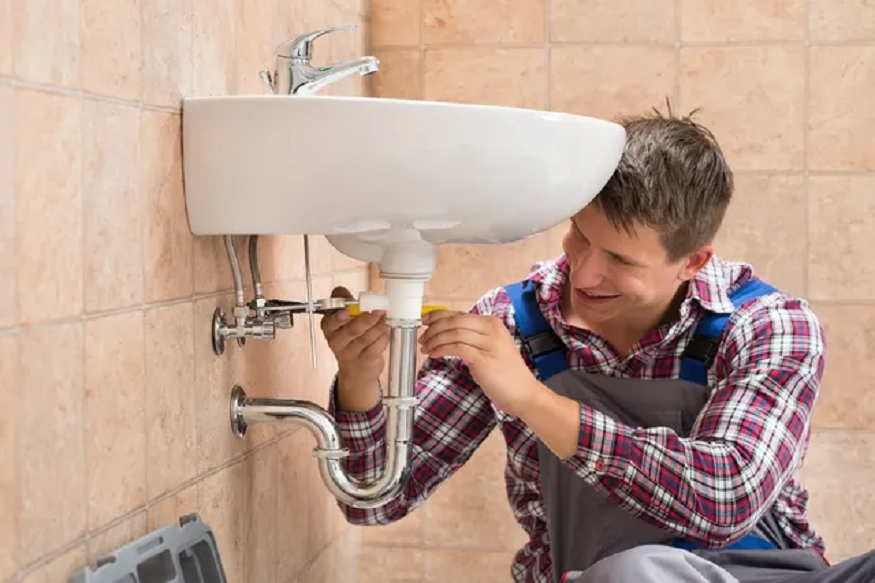
The infrastructure of your home is a complex, interconnected system that often receives little attention until a critical failure occurs. In high-altitude, semi-arid environments like the Denver metropolitan area, the demands placed on residential plumbing are unique. From the high mineral content in the local water supply to the seasonal shifts that stress aging pipe materials, Denver residents must be proactive to avoid costly water damage. Whether you are managing the subtle signs of a slow-moving drain or planning for the inevitable lifecycle end of your home’s water heating unit, understanding the mechanics of your plumbing is the first step toward long-term peace of mind.
The Reality of Residential Sewer Line Maintenance
The internal plumbing of a home is only as effective as the sewer lateral that connects it to the municipal system. When homeowners experience recurring clogs, slow drainage in multiple fixtures, or the unsettling sound of gurgling in toilets, it is rarely a localized issue limited to a single sink or tub. These symptoms often indicate a deeper blockage within the main line, which is frequently caused by the accumulation of organic debris, grease, or, in many cases, intrusive root systems from nearby landscaping.
Finding a reliable drain cleaning company in Denver is essential when DIY methods prove insufficient. While store-bought chemical cleaners are readily available, they often provide only a temporary, superficial fix that can potentially damage your piping, particularly if the home features older cast iron or compromised PVC lines. A professional team uses advanced diagnostic tools, such as high-resolution sewer cameras, to visually inspect the interior of the lines. This allows for the identification of the exact nature and location of the obstruction, ensuring that the correct cleaning method—whether it be mechanical snaking or high-pressure hydro-jetting—is applied.
Read More: Joe Cianciotto Discusses What Makes Co-Living Appealing to Today’s Young People
Understanding the Lifecycle of Your Water Heating System
The water heater is perhaps the most heavily utilized appliance in a residential setting. It operates silently, maintaining a constant supply of hot water, until the internal anode rod corrodes or sediment buildup renders the unit inefficient. In the Denver area, the water supply often carries high concentrations of calcium and magnesium. These minerals settle at the bottom of the tank, creating a layer of sediment that acts as an insulator, forcing the burner or heating elements to work significantly harder than intended.
When efficiency drops, utility bills typically rise, and the risk of a tank rupture increases. Homeowners should treat water heater replacement as a planned maintenance event rather than an emergency response. By monitoring the age of the unit and looking for telltale signs—such as discolored water, persistent leaking, or a noticeable decrease in the duration of hot water availability—you can avoid the sudden flooding associated with a tank failure. Modern units offer significantly improved energy efficiency, and a professional installation ensures that the unit is properly sized for your household’s specific demand, which is crucial for balancing performance and longevity.
Navigating Denver’s Unique Plumbing Environment
Operating a home in the high-plains climate of Colorado brings specific challenges. The dramatic temperature fluctuations between winter and summer cause the ground to shift, which can lead to hairline fractures in underground pipes. Furthermore, the mineral-heavy water—often referred to as “hard water”—accelerates the wear on valves, faucets, and the internal mechanisms of water heaters.
To mitigate these environmental stressors, consider the following maintenance strategies:
- Pressure Monitoring: High water pressure can stress joints and seals throughout your home. A professional can test your system’s pressure and, if necessary, install a pressure-reducing valve to protect your plumbing infrastructure.
- Annual Inspections: Establishing a relationship with a trusted professional allows for annual health checks. Detecting a small leak or a thinning pipe wall now is significantly less expensive than repairing the water damage resulting from a catastrophic burst.
- Sediment Flushing: Regularly flushing your water heater tank can extend its service life by removing the mineral buildup that causes overheating and premature component failure.
Why Proactive Care Outperforms Emergency Response
The most expensive plumbing repairs are almost always those that occur during an emergency. When a pipe bursts at 2:00 AM on a weekend, your options are limited, and the cost of mitigation—which often includes water extraction and mold remediation—far exceeds the cost of a routine maintenance visit. By staying ahead of common issues, such as scale buildup in lines or the degradation of heating elements, you protect the most significant investment most people will ever make: their home.
When seeking assistance, look for providers who prioritize transparency. An honest drain cleaning company in Denver will always show you the camera footage of the obstruction before and after the service, verifying that the line is clear and functioning at capacity. Similarly, when discussing water heater replacement, a qualified technician should explain the differences between tank-style and tankless systems, helping you determine which model aligns with your home’s layout and your family’s daily usage patterns.
Preparing Your Home for Long-Term Reliability
Plumbing systems are not static; they evolve as the home ages and as usage patterns change. A family that grows in size will place higher demand on the hot water supply, just as a garden that matures will result in larger, more invasive tree roots near sewer lines. The key is to avoid the “wait and see” approach.
Read More: Is Metal Roofing Worth It for Residential Homes?
By integrating professional evaluations into your annual home maintenance schedule, you ensure that small issues remain small. Whether it is ensuring your drains remain clear of mineral deposits or upgrading to a high-efficiency unit for water heater replacement, these actions are investments in the resilience of your property.
Ultimately, the goal of modern plumbing care is not just to fix what is broken, but to understand how your home interacts with its environment. In the vibrant, growing community of Denver, homeowners have access to highly skilled professionals capable of managing these systems with precision. Engaging with these experts proactively is the most effective way to protect your comfort, your water quality, and the structural integrity of your home for years to come.





Leave a Reply
You must be logged in to post a comment.