
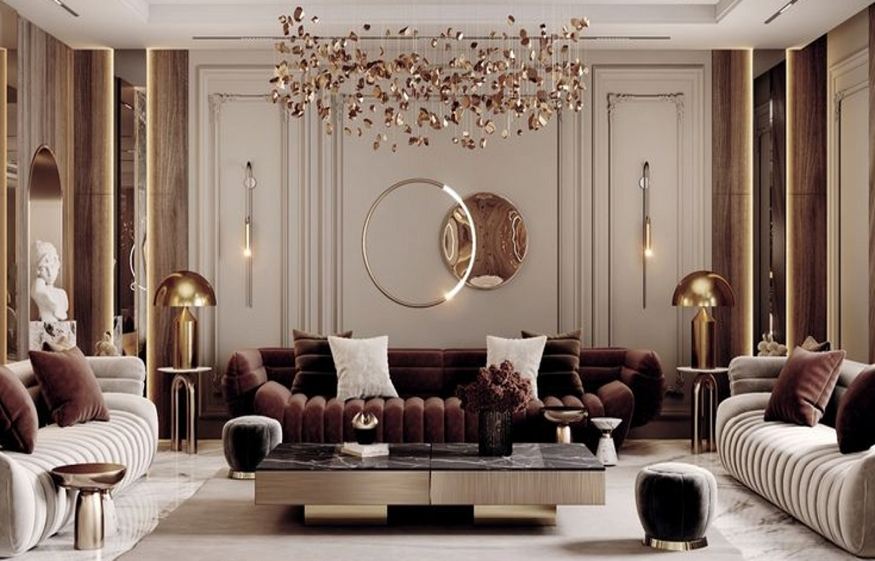
Luxury interior design is often judged by what can be seen. Materials, finishes and furniture usually take centre stage. Yet what truly defines how a space feels is something less obvious. Lighting design. It shapes perception, mood and comfort in ways that no surface ever could. In high-end projects, lighting is not added at the end. It is planned from the very beginning.
A luxury interior designer understands that lighting is not just about brightness. It is about balance, control and emotion. The way light interacts with architecture determines whether a home feels calm or cold, inviting or impersonal. This is why lighting design sits at the core of every successful luxury interior project.
Lighting sets the emotional tone of a space
Every room has a purpose. Lighting helps express that purpose without words. In luxury homes, the goal is rarely to flood spaces with light. Instead, it is to create a sense of ease and refinement.
Soft ambient lighting provides the foundation. It ensures spaces feel welcoming rather than stark. Accent lighting then introduces depth and contrast. This combination creates an environment that feels layered and comfortable.
Read More : Eco-Friendly Interior Design Living Room Ideas for Sustainable Homes
Light has a psychological effect. Warm tones encourage relaxation. Cooler tones promote focus. Luxury interiors use this knowledge carefully. Living areas are often designed to feel calm and sociable. Bedrooms prioritise rest. Bathrooms aim to soothe.
The emotional response created by lighting is one of the clearest markers of quality design. When lighting feels right, everything else falls into place.
Beyond function: lighting as a design element
Lighting is often mistaken for a purely functional feature. In luxury interiors, it is treated as a design material in its own right.
Architectural lighting enhances the structure of a space. It can emphasise ceiling heights, highlight wall planes or draw attention to symmetry. When light follows architectural lines, interiors feel intentional and well-proportioned.
Decorative lighting also plays a key role. Statement pendants or sculptural wall lights can act as focal points. These pieces contribute to the identity of a room, much like art or furniture.
Even concealed lighting is carefully considered. Hidden LED strips can create floating effects or subtle glows that add sophistication without visual clutter. The absence of visible fittings often signals a higher level of design thinking.
How lighting transforms materials and textures
Luxury interiors rely heavily on material quality. Stone, wood, metal and fabric all respond differently to light. Without the right lighting, even the finest materials can look flat or dull.
Directional lighting reveals texture. Grazing light across a stone wall highlights its natural variation. Soft lighting on fabric enhances its depth and richness. Polished surfaces reflect light, adding a sense of movement and energy.
Colour temperature is equally important. Warm light enhances natural materials like timber and marble. Cooler light may suit contemporary finishes such as concrete or glass. Mixing temperatures without planning can disrupt the harmony of a space.
This is why lighting design and material selection are developed together. The goal is to ensure that every surface is shown at its best, at all times of day.
Creating balance through layered lighting
Layered lighting is a defining feature of luxury interiors. It involves combining different types of light to achieve both beauty and practicality.
Ambient lighting provides overall illumination. Task lighting supports specific activities such as reading or cooking. Accent lighting adds drama and focus.
When these layers are balanced, spaces feel adaptable. A room can be bright and functional during the day, then soft and intimate in the evening. This flexibility is essential in high-end homes where spaces are used in multiple ways.
Poorly layered lighting often results in harsh contrasts or dead zones. Luxury projects avoid this by carefully mapping light levels and transitions throughout the home.
Lighting as a tool for spatial definition
Open-plan living is common in luxury homes. While it offers flow and openness, it can also lack structure if not handled carefully. Lighting helps define zones without physical barriers.
Different lighting treatments can distinguish a dining area from a lounge or kitchen. Pendant lights may anchor a table. Softer lighting can signal a relaxation zone. Brighter task lighting supports food preparation.
This subtle zoning creates clarity while preserving openness. Spaces feel organised and intentional, even without walls.
Lighting also helps guide movement through a home. Gradual changes in brightness can signal transitions from public to private areas. This enhances comfort and privacy without obvious divisions.
Supporting wellbeing and daily rhythms
True luxury considers how people live, not just how spaces look. Lighting has a direct impact on wellbeing, sleep and energy levels.
Natural light is maximised wherever possible. Window placement, glazing and reflective surfaces help distribute daylight throughout the home. Artificial lighting then complements this natural cycle.
In the evening, lighting shifts to warmer tones. This supports relaxation and prepares the body for rest. In the morning, brighter light encourages alertness.
Luxury interiors often include lighting controls that allow easy adjustment. Scenes can be tailored to different moods or times of day. This responsiveness enhances daily comfort and convenience.
The growing role of smart lighting systems
Technology has elevated lighting design in luxury interiors. Smart systems allow precise control over intensity, colour and timing.
Homeowners can adjust lighting with a single touch or automate scenes entirely. Lights can respond to daylight levels or occupancy. This creates a seamless experience that feels intuitive rather than technical.
Despite the sophistication behind the scenes, the visible result remains calm and uncluttered. Controls are discreet. The technology serves the design, not the other way around.
Energy efficiency is another benefit. Modern lighting systems reduce consumption while maintaining high visual quality. Sustainability has become an important aspect of luxury, and lighting plays a key role in achieving it.
Bespoke lighting and craftsmanship
In many high-end projects, standard lighting solutions are not enough. Bespoke fixtures are designed to suit the specific space and concept.
Custom chandeliers, pendants or wall lights add individuality. They reflect the client’s taste and elevate the interior beyond the ordinary. These pieces often become conversation points, blending art and function.
Even when fittings are minimal, craftsmanship matters. Precision in installation ensures clean lines and flawless finishes. Attention to detail distinguishes luxury lighting from mass-produced solutions. An interior design company often collaborates closely with lighting specialists to ensure that bespoke solutions align perfectly with the overall vision of the home.
Lighting as a narrative device
Luxury interiors tell a story. Lighting helps convey that story in subtle ways.
In heritage properties, lighting may highlight original features and textures. In modern homes, it may emphasise simplicity and geometry. In eclectic interiors, it can unify diverse elements.
Read More : Discover Affordable Living in Akron, Brunswick, and Wadsworth, Ohio
The progression of light through a home creates rhythm. Brighter areas invite social interaction. Softer spaces encourage retreat. This narrative supports how the home is meant to be experienced.
Guests may not consciously notice these details, but they feel the difference. Spaces feel cohesive and thoughtfully composed.
Common mistakes avoided in luxury projects
Even expensive homes can suffer from poor lighting if it is not planned properly. Overuse of downlights is a frequent issue. This can create a flat, commercial feel.
Inconsistent colour temperatures can also disrupt harmony. Shadows in the wrong places can make spaces feel uncomfortable or unfinished.
Luxury projects avoid these pitfalls through early integration. Lighting design is considered alongside architecture, layout and interiors. This ensures a cohesive result.
Why lighting defines true luxury
Luxury is not defined by cost alone. It is defined by experience. Lighting shapes that experience more than any other element.
It influences mood, comfort and perception. It reveals craftsmanship and enhances materials. It allows spaces to adapt to different moments in the day.
When lighting is done well, it disappears into the background while transforming everything it touches. That is the hallmark of a truly luxurious interior.
This is why lighting design is central to luxury interior design projects. Not as an accessory, but as a foundation that brings every element together into a refined and enduring whole.





Leave a Reply
You must be logged in to post a comment.