Bathroom renovations are one of the most impactful ways to add value, comfort, and style to a home. While trends come and go quickly in interior design, the best bathroom upgrades are those that balance aesthetics with long-term practicality. As we move past 2026, homeowners are increasingly focusing on timeless design choices that still feel modern, functional, and easy to maintain.
Whether you’re planning a full renovation or a simple refresh, understanding which trends have staying power can help you make smarter design decisions that won’t feel outdated in a few years.
More homeowners are also prioritising cost efficiency, water savings, and low-maintenance finishes, meaning design decisions are now influenced just as much by practicality as by appearance. This shift is encouraging more thoughtful renovations that consider long-term usability, not just visual appeal at the time of installation.
Why Bathroom Design Trends Are Shifting
Bathrooms are no longer treated as purely functional spaces. They’ve become personal retreats—places to relax, recharge, and unwind. This shift has changed how people approach renovation decisions.
Key drivers behind Best Bathroom Renovation Gold Coast modern bathroom design include:
- Increased focus on wellness and relaxation
- Demand for low-maintenance materials
- Smaller but smarter living spaces
- Energy and water efficiency
- Long-term property value considerations
As a result, the strongest trends are those that combine practicality with a calm, elevated aesthetic.
1. Neutral, Nature-Inspired Colour Palettes
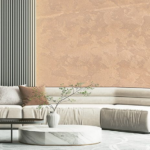
Bold, high-contrast bathrooms are giving way to softer, more natural tones. Neutral palettes create a timeless base that won’t feel outdated quickly.
Popular choices include:
- Warm whites and soft greys
- Beige and sand tones
- Muted greens and earthy browns
- Natural stone-inspired finishes
These colours create a calming environment while also making spaces feel larger and brighter.
2. Spa-Like Minimalism
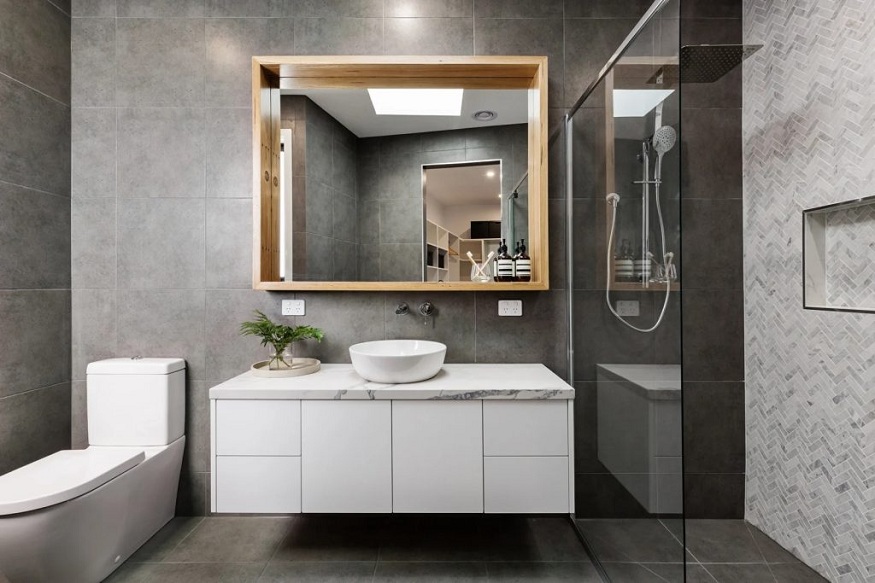
One of the most enduring trends is the shift towards spa-inspired bathrooms. This style focuses on simplicity, comfort, and uncluttered design.
Key features include:
- Clean lines and minimal fittings
- Frameless glass showers
- Floating vanities
- Hidden storage solutions
- Soft, ambient lighting
The goal is to create a space that feels calm and restorative rather than busy or overdesigned.
Read More: 304 Stainless Steel: Properties, Uses, and Why It Remains the Industry Standard
3. Natural Materials and Textures
Homeowners are increasingly drawn to natural textures that add warmth and depth to bathroom spaces.
Common materials include:
- Stone and marble
- Timber vanities and accents
- Textured tiles
- Concrete-style finishes
- Matte surfaces instead of high gloss
These materials not only look sophisticated but also age well over time.
4. Walk-In Showers Over Bathtubs
While bathtubs still have their place, many modern renovations are prioritising spacious walk-in showers instead.
Benefits include:
- Easier accessibility
- More open, modern feel
- Easier cleaning and maintenance
- Better use of smaller spaces
Large, open showers with rainfall showerheads and minimal framing are expected to remain a strong design choice well beyond 2026.
5. Smart Bathroom Technology
Technology is becoming a natural part of bathroom design, improving convenience, efficiency, and comfort.
Popular smart features include:
- Sensor-activated taps
- LED mirrors with anti-fog settings
- Smart toilets with bidet functions
- Digital shower temperature controls
- Underfloor heating systems
These upgrades enhance everyday use while also improving water and energy efficiency.
6. Statement Lighting Design
Lighting is no longer just functional—it’s a key design feature in modern bathrooms.
Trending lighting styles include:
- Backlit mirrors
- Wall sconces beside vanities
- Pendant lighting over bathtubs
- Warm, layered lighting schemes
Good lighting improves both functionality and atmosphere, especially in smaller bathrooms.
7. Concealed Storage Solutions
Clutter-free bathrooms are a major design priority. Hidden storage helps maintain a clean and minimalist look.
Common solutions include:
- Recessed wall cabinets
- Floating vanities with drawers
- Built-in shelving niches
- Mirrored cabinets with storage
- Under-basin cabinetry
These features help maximise space while keeping essentials out of sight.
8. Large Format Tiles
Large tiles are becoming increasingly popular due to their clean appearance and practical benefits.
Advantages include:
- Fewer grout lines for easier cleaning
- A more seamless, modern look
- Illusion of larger space
- Greater design consistency
Stone-look and neutral-toned large tiles are especially popular for long-lasting bathroom designs.
Read More: What Sets a Well-Built Home Apart From the Rest
9. Freestanding Bathtubs as Focal Points
While showers are becoming more dominant, freestanding bathtubs remain a strong feature in larger bathrooms.
They are often used to:
- Create a luxury focal point
- Enhance spa-like aesthetics
- Add visual softness to the space
Placed correctly, they can elevate the entire design without overwhelming the room.
10. Sustainable Bathroom Design
Sustainability is no longer optional—it’s a key consideration in modern renovations.
Eco-friendly bathroom features include:
- Water-saving tapware and showerheads
- Dual-flush toilets
- Energy-efficient lighting
- Recycled or sustainable materials
- Low-VOC paints and finishes
These choices reduce environmental impact while also lowering utility costs.
Designing for Longevity, Not Just Trends
The most successful bathroom renovations are not based on short-term trends, but on timeless design principles. This means choosing styles and materials that will still feel relevant in 5–10 years.
Key principles include:
- Prioritising neutral foundations
- Investing in quality fixtures
- Avoiding overly trendy colour schemes
- Focusing on functionality first
- Keeping layouts simple and efficient
A well-planned bathroom should balance style with long-term practicality.
Common Renovation Mistakes to Avoid
Many homeowners make design choices that look good initially but don’t age well.
Common mistakes include:
- Overly bold or niche colour schemes
- Poor lighting planning
- Lack of storage space
- Choosing style over functionality
- Ignoring ventilation needs
Avoiding these issues helps ensure a more durable and enjoyable space.
Final Thoughts
Modern bathroom design is shifting towards simplicity, comfort, and long-term usability. Trends like natural materials, neutral colour palettes, walk-in showers, and smart technology are not just passing styles—they’re shaping the future of bathroom renovations well beyond 2026.
By focusing on timeless design principles rather than short-lived trends, homeowners can create bathrooms that remain functional, stylish, and valuable for years to come. A well-designed bathroom is no longer just an upgrade—it’s a long-term investment in everyday comfort and property value.